What I Learned as a First-Time Church Visitor
Why Church Websites Need More Than Service Times
I have belonged to the same congregation since I was sixteen years old. The building changed over the years, and for a season I served at a campus in California and at a sister church in South Africa, but in some sense it was always home. I knew the people. I understood the culture. If a visitor had a question, I was often one of the people they would have asked.
Then I moved back to the United States, settled in Texas, and found myself needing to do something I had never really done before.
I had to find a church.
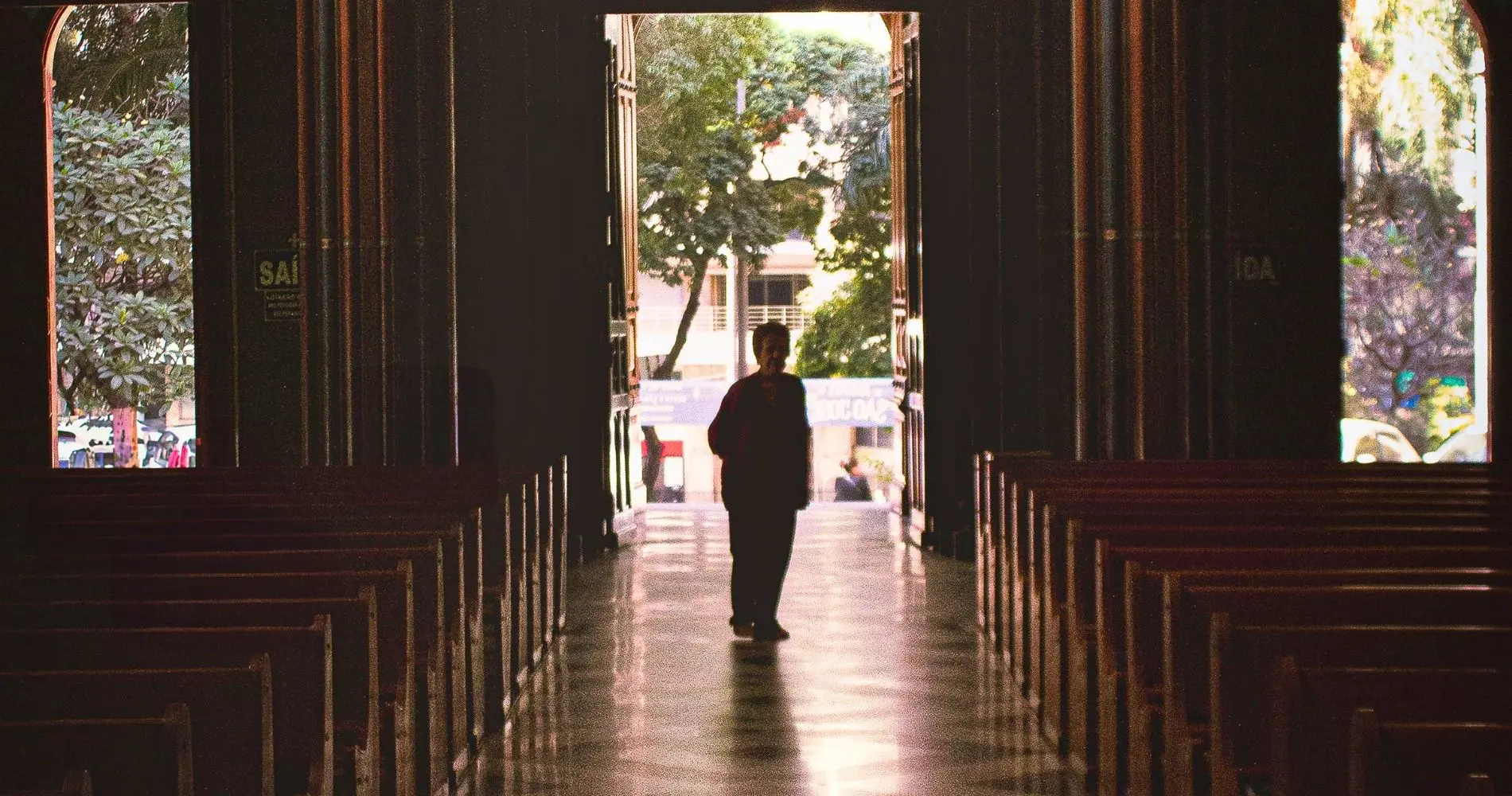
It is a strange thing to have spent your whole life inside the church and still feel nervous about walking into one. I love Jesus and I love His Church. That was never in question. But walking alone into a building where no one knew me, and where I knew no one, scared me more than I expected. For the first time, I was not the woman who knew the leadership and understood how everything worked. I was the stranger near the back, hoping someone would notice me and hoping, almost as much, that no one would.
That experience changed how I see church websites. For most of my life, I had looked at them from the inside. Suddenly, I was looking the way a first-time church visitor does, trying to learn as much as I could before I ever had to show up in person. The website and social media became my window. They were how I tried to picture myself inside a place I had not yet entered.
After the decision has already been made
One of the things that surprised me was how often churches helped me answer one question but not the next.
Many church websites do a good job explaining who they are. They share their beliefs, introduce the pastors, talk about ministries, and tell the story of the church. Those things matter. They help someone decide whether this might be a church worth visiting.
But once I had quietly decided I wanted to come, a different set of questions appeared. What is the worship actually like on a normal Sunday? Where do I go when I walk in? If I bring children, how does check-in work? How early should I arrive? Is there someone I should contact before I come?
These are not theological questions. They are the practical questions that sit between interest and attendance, yet they are often the questions church websites answer least clearly. Many church websites are built to inform. Far fewer are built to guide.
The questions people never ask out loud
Around that same time, I was recovering from back surgery, which made me notice things I had never paid much attention to before. How far is the walk from the parking lot? Are there stairs? How easy is it to get into the building? For me, those concerns were temporary. For someone using a wheelchair or living with long-term mobility challenges, they may be part of every decision about where to go.
The more churches I visited, the more aware I became of how rarely a church website speaks to this at all. Most churches would never intentionally make someone feel overlooked, yet many websites leave visitors guessing about details that matter deeply: whether there is accessible parking, whether the entrance is easy to navigate, whether anyone is available to help if they need it.
When a church answers those questions clearly, it communicates something much bigger than logistics. It says someone thought about you before you arrived.
Where the website usually goes quiet
The hardest moment to find on many church websites is the moment after someone has decided they want to come. They have read enough. They have watched enough. They are ready to take a step.
And then the website goes quiet.
There is often no clear way to say, “I am planning to visit.” No visitor form. No dedicated church welcome page. No contact person for someone who has one simple question before Sunday. No clear path for the person who is interested but still nervous. Someone who has worked up the courage to reach out is often met with a generic contact form or no obvious next step at all.
The website spent all its energy making a first impression and forgot to offer a hand at the end of it.
What I learned
Before this experience, I probably would have described a church website differently. I would have talked about communication, branding, and information. Those things still matter. But visiting a church for the first time taught me that, for a first-time visitor, a church website has a much simpler job than I used to think. It needs to help someone move from curiosity to confidence. Not confidence in the church itself, but confidence that they can walk through the front doors without feeling lost.
People are not always looking for a polished website. Often, they are looking for a way in: a clear next step, a familiar face, a little reassurance about what Sunday will be like. That is what I was looking for when I was the stranger trying to find a church, and I suspect it is what many others are looking for too.
If your church website is helping people discover who you are but not helping them take the next step, there may be an opportunity to serve visitors more intentionally. Sometimes the most important part of the church visitor experience is not convincing someone to come. It is helping them feel steady enough to walk through the door when they do.
Helping a church do that, guide a visitor gently from interest to the front door, is part of what Marketing with Mission means to me, and it runs through the church branding work and church marketing strategy behind it. If you want your church website to help a first-time visitor take the next step, I would love to help.