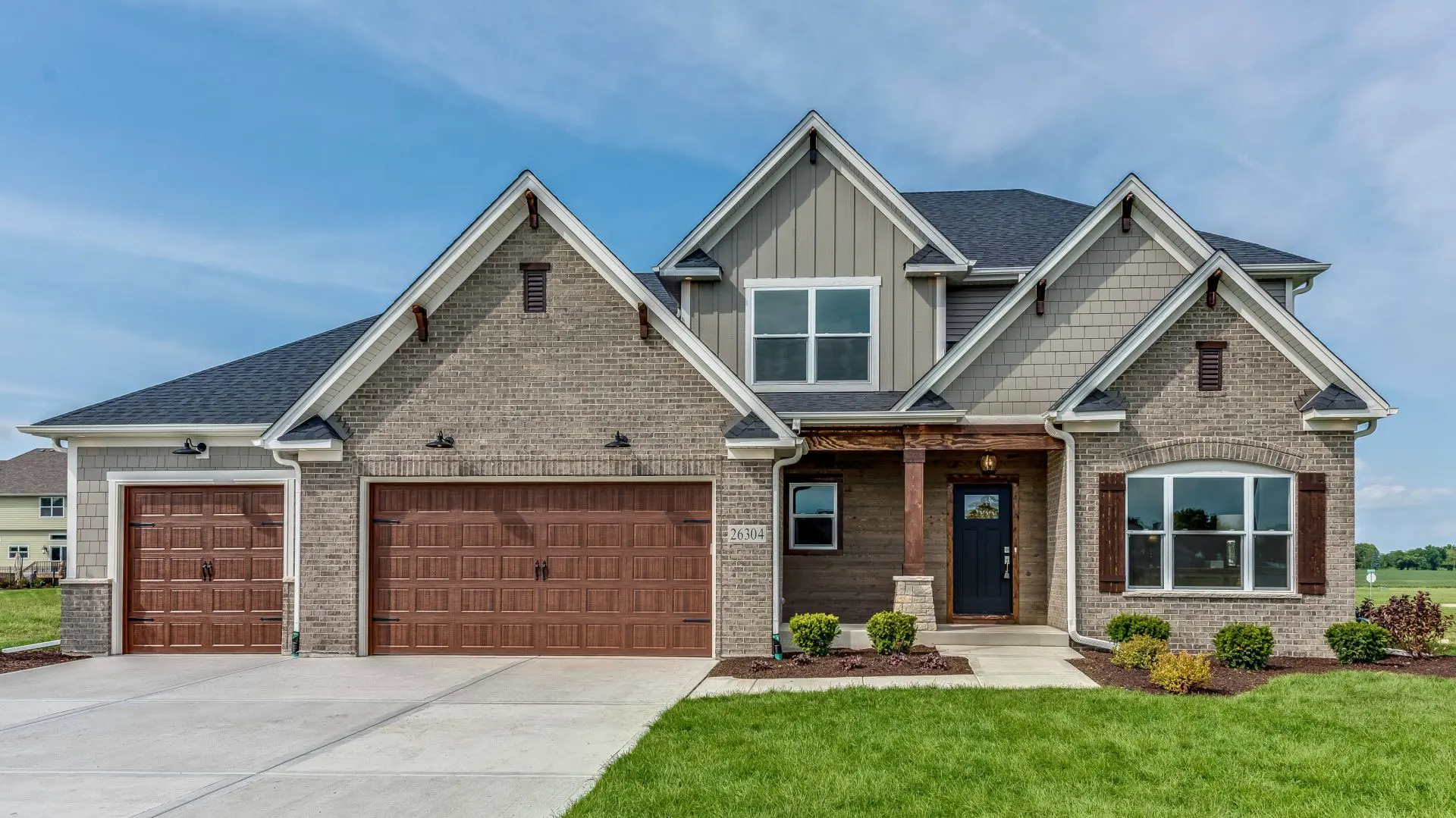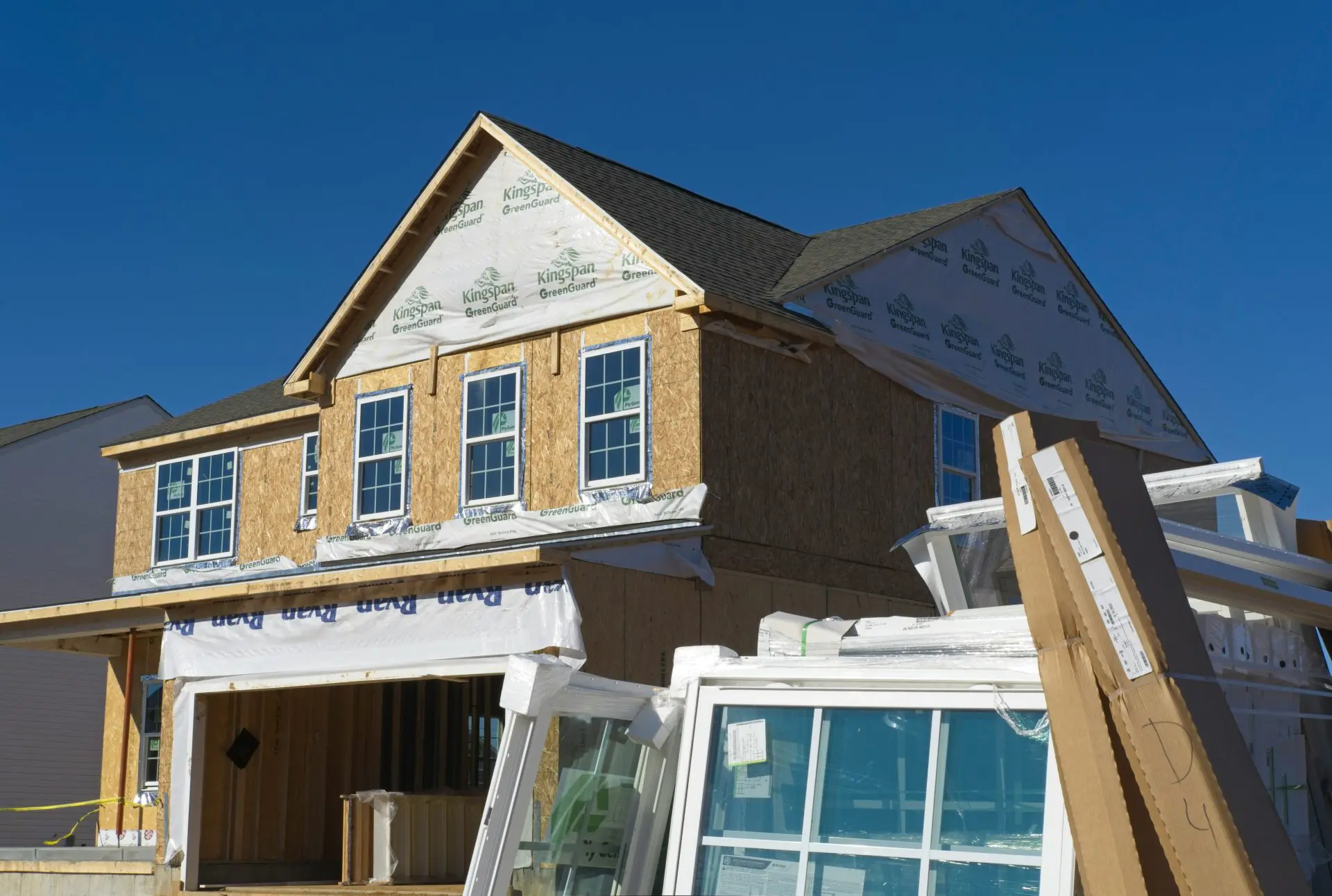
When Every Home Starts to Look the Same
At some point in almost every home search, the houses start to run together. Three bedrooms here. Four bedrooms there. This one has a larger lot. That one has a different kitchen. The prices shift, the finishes change, but after enough scrolling it can become surprisingly difficult to remember which home belonged to which builder or what made one community different from the next.
I have been thinking about that while working on marketing for home builders because inventory naturally takes up so much of the conversation. There is always another home to sell, another lot to announce, another floor plan to share. Buyers need that information, so of course it should be easy to find. But the more time I spend looking at how homes and communities are marketed, the more I notice that the things that help someone choose where to live do not always fit neatly onto an available-home graphic.
Buying a home is a major event, but living in one is mostly made up of ordinary days.
Monday morning still comes. Someone has to get to work. Children need to get to school. Groceries need to be bought. Family might live thirty minutes away. There may be a church someone wants to stay close to, a favorite restaurant, a park where the kids can play, or an airport that matters because family lives somewhere else.
None of that appears on a floor plan. It is still part of what someone is choosing.
So much of home builder marketing goes into describing the house, when sometimes what a buyer needs is help understanding the life around it.
When the easiest things to compare become the only things to compare
Marketing the inventory matters. If a home is available, people should know about it. Buyers should be able to find the price, square footage, bedrooms, floor plan, location, and whatever else they need without digging through a website or sending a message for basic information.
The challenge comes when those details become most of what a builder communicates.
Spend enough time looking at builder websites and social feeds and a familiar rhythm starts to appear. Available home. Available lot. New floor plan. Price. Square footage. The photographs and numbers change, but the information buyers are being given to make the decision often stays remarkably similar.
Those details are also very easy to compare. Square footage against square footage. Bedroom count against bedroom count. Lot size against lot size. Price against price.
If that is most of what buyers have been given, it makes sense that price eventually becomes one of the loudest differences they see.
The inventory does not need less attention. It needs more context.
The place around the house is part of the decision
A community does not need a manufactured lifestyle or a marketing personality invented for it. I am not talking about staged families walking through golden-hour fields and copy promising some perfect version of life.
Most of the useful questions are much more ordinary.
Where is this community? What is nearby? How does it connect to the places people already need to go? How long is the drive to work? What is happening around it? If someone is moving from another part of the Valley, or from somewhere else entirely, what would help them understand this particular location?
Every community already has an identity of its own. Its location, surroundings, homes, stage of development, and the people who choose to live there all shape that naturally. Marketing does not need to invent the story. It needs to pay enough attention to recognize what the story already is.
For builders with several communities, that distinction becomes even more important. A list of available homes may show buyers that they have options without helping them understand why one community might suit them better than another. Two homes from the same builder can offer a similar level of craftsmanship while belonging to places that would create very different daily lives.
Helping someone understand that difference gives them useful information about the decision they are making, not just another way to look at the real estate.
Buyers are choosing more than the finished home
Inventory also has a hard time communicating another part of the decision. Buyers are deciding whether they trust the people behind it.
That matters even more when someone is building from the ground up. With a move-in-ready home, a buyer can at least walk through much of what they are considering. Someone building may be choosing a builder months before the thing they are buying actually exists.
They have plans, selections, renderings, conversations, and examples of previous work. But much of the decision still rests on whether they believe the people across the table will do what they say they will do.
The way a builder communicates before the sale becomes part of the experience, and I think that is easy to underestimate. If the process feels vague before someone signs, another inventory post will not make it clearer. If buyers cannot get a sense of the people behind the company, another photograph of a beautiful kitchen will not answer that either.
The rest of a builder’s communication can begin answering those questions long before someone signs a contract. It can help someone understand the process before they are in it. It can answer questions first-time buyers may be hesitant to ask. It can show how previous homeowners experienced working with the company. It can give buyers some sense of the people they may be trusting for the next several months.
An available home tells someone what a builder has for sale. The rest of the marketing can help answer the quieter question underneath the purchase: Can I trust you with this?
There is more to communicate than what is available
Builders are surrounded by things buyers may genuinely want to understand. Communities are changing as homes go up. Buyers are asking questions. Families are moving in. People on the team understand parts of the process that buyers may be encountering for the first time. There are decisions behind the construction worth explaining, reasons people choose one community over another, and things about a location that will never appear in a listing.
Not all of that will produce an inquiry that afternoon. Some of it does quieter work earlier in the process.
It helps someone recognize a builder after seeing the name a few times. It answers a question before that person is ready to call. It helps them understand a community they previously knew only as a name on a sign. It gives them something meaningful to remember after scrolling past ten other builders selling homes that, at first glance, may not look all that different.
Then, when the next available home appears, the buyer may see something different.
The square footage still matters. The floor plan still matters. The price certainly matters. Now the home also belongs to a builder they know something about, in a community they understand a little better, in a place they can begin to imagine themselves living.
None of that requires inventing a story around the inventory. The story is already there, in the builder, the community, and the ordinary life someone is hoping to build there. The marketing just has to make enough room for people to see it. If your homes are getting plenty of attention but the larger story around them is harder to see, I would be glad to talk through what your marketing is communicating and where there may be room to say more.