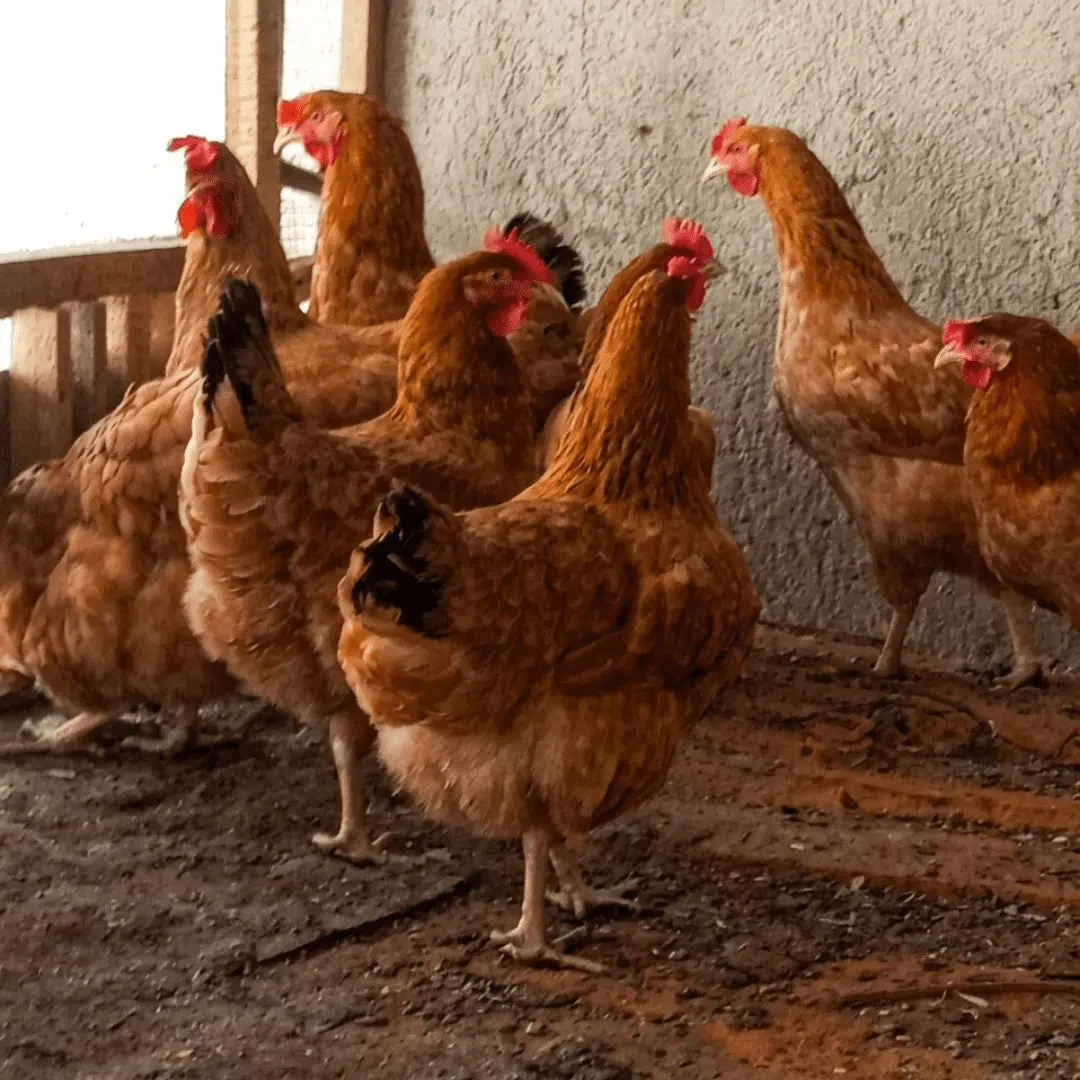
1.9 Million Views. $0.06 Per New Conversation.
This campaign did more than reach people; it drove response efficiently.
Starting point: a powerful story that needed the right audience to find it.
Get Your Custom PlanThe Brief, The Work, The Results
The Brief
Hope Mission Society was producing real outcomes in Rwanda. People learning to build kitchen gardens, raise chickens, manage their finances, and speak English. Practical skills that were changing lives at the family and community level. The work was happening. The visibility was not keeping pace with it.
The brief was to run a paid campaign that could expand reach, attract a new audience, and generate inbound messaging conversations without sounding promotional or institutional.
- Needed to reach audiences outside the existing follower base
- Message had to feel credible and personal, not like nonprofit advertising
- Budget had to be managed efficiently throughout the campaign window
- Success meant inbound conversations, not just impressions
The Work
Campaign Strategy
Built around awareness, trust, and inbound messaging rather than aggressive conversion. Audience segments were identified and messaging was aligned to each group before a single dollar was spent on distribution.
Ad Creative
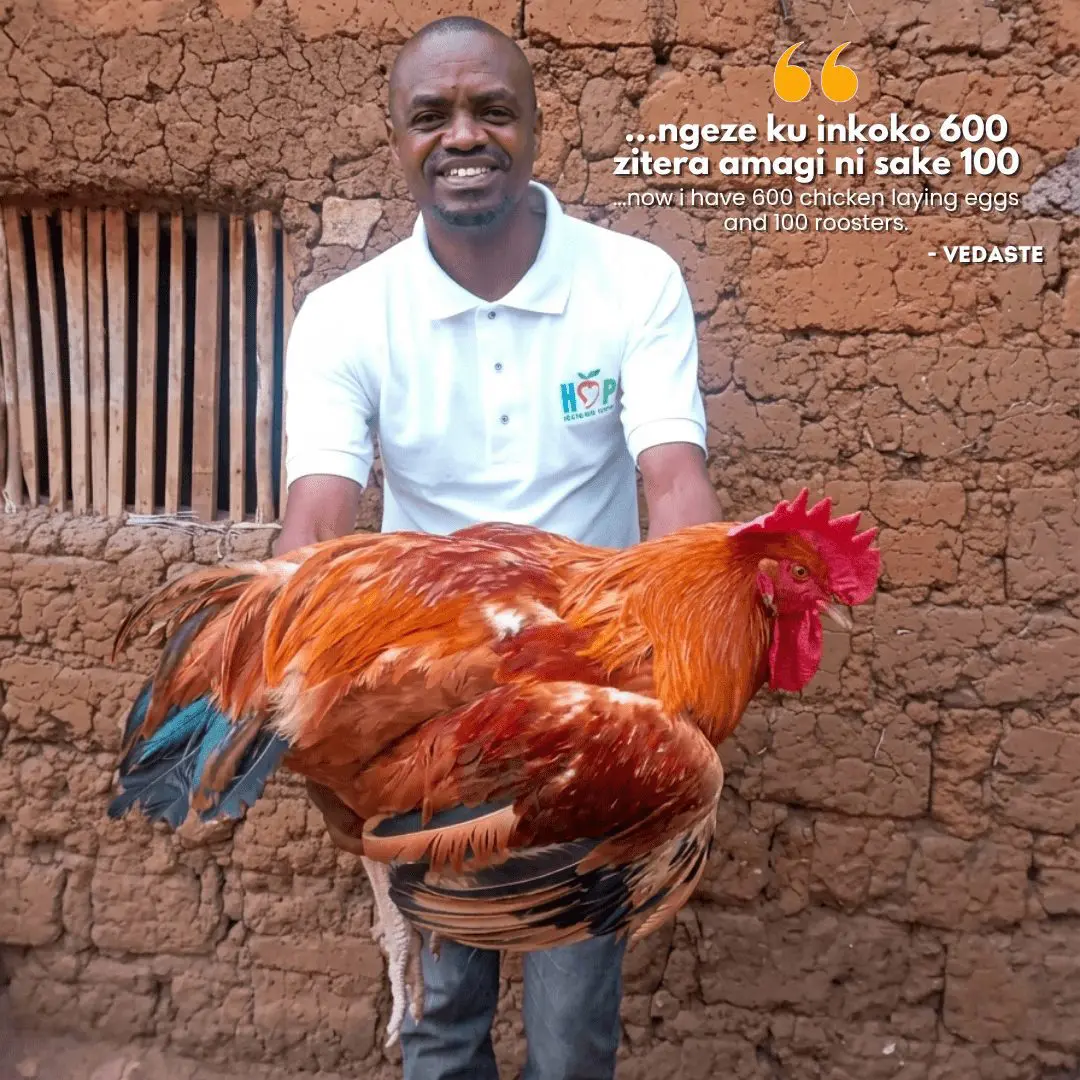
Vedaste’s story was the campaign. Copy and visuals focused on specific outcomes and personal transformation. Multiple creative variations were developed and tested so budget could shift toward the strongest-performing content.
Execution and Optimization
Performance was monitored continuously. Budget allocation, placement optimization, and audience targeting were adjusted throughout based on real engagement data rather than assumptions set at launch.
Key Strategy
The campaign was built on one insight: build trust before asking for action. Audiences who do not know an organization will not respond to a call to action. They will respond to a story they believe.
From 4 hens to 700 chickens. One training program. One real person.
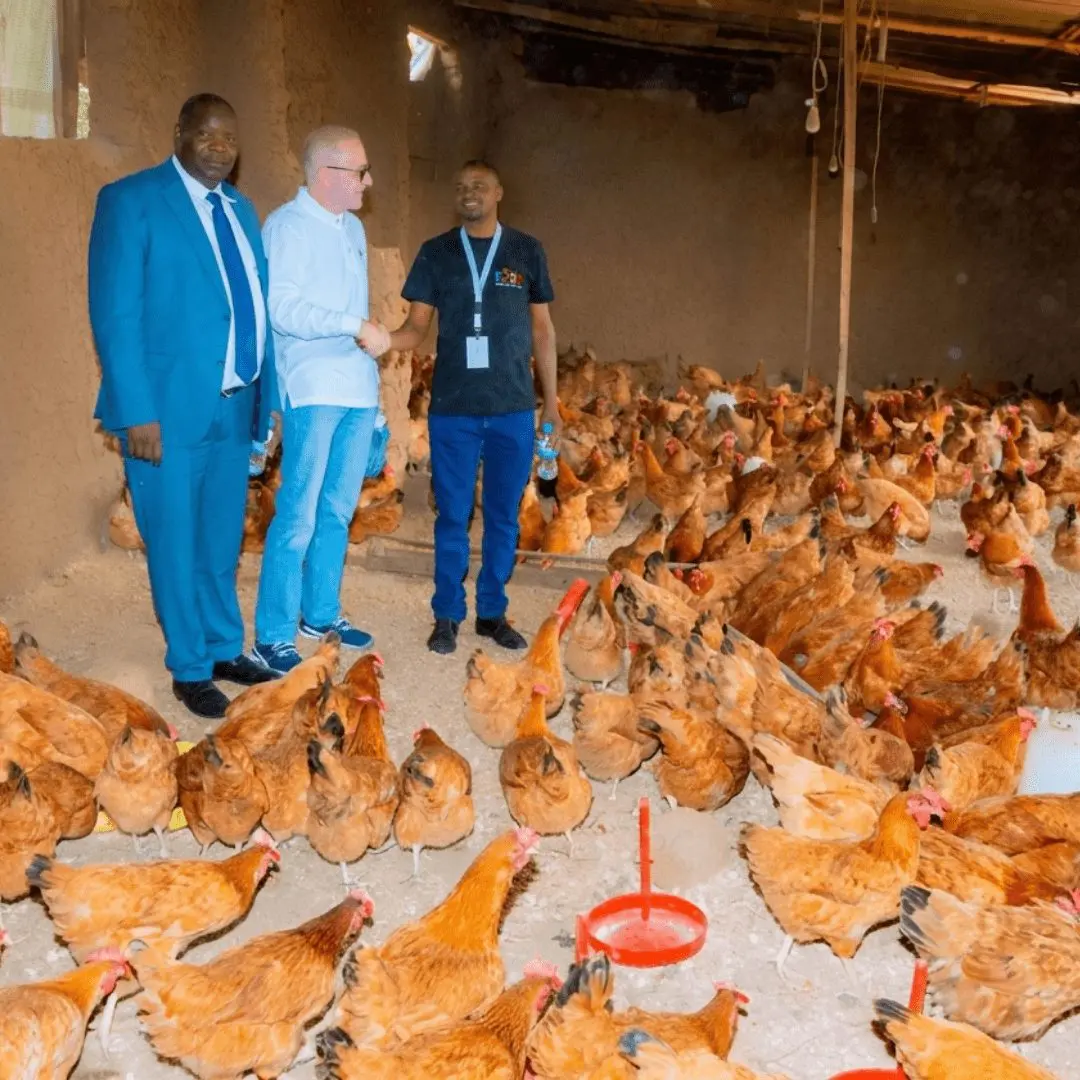
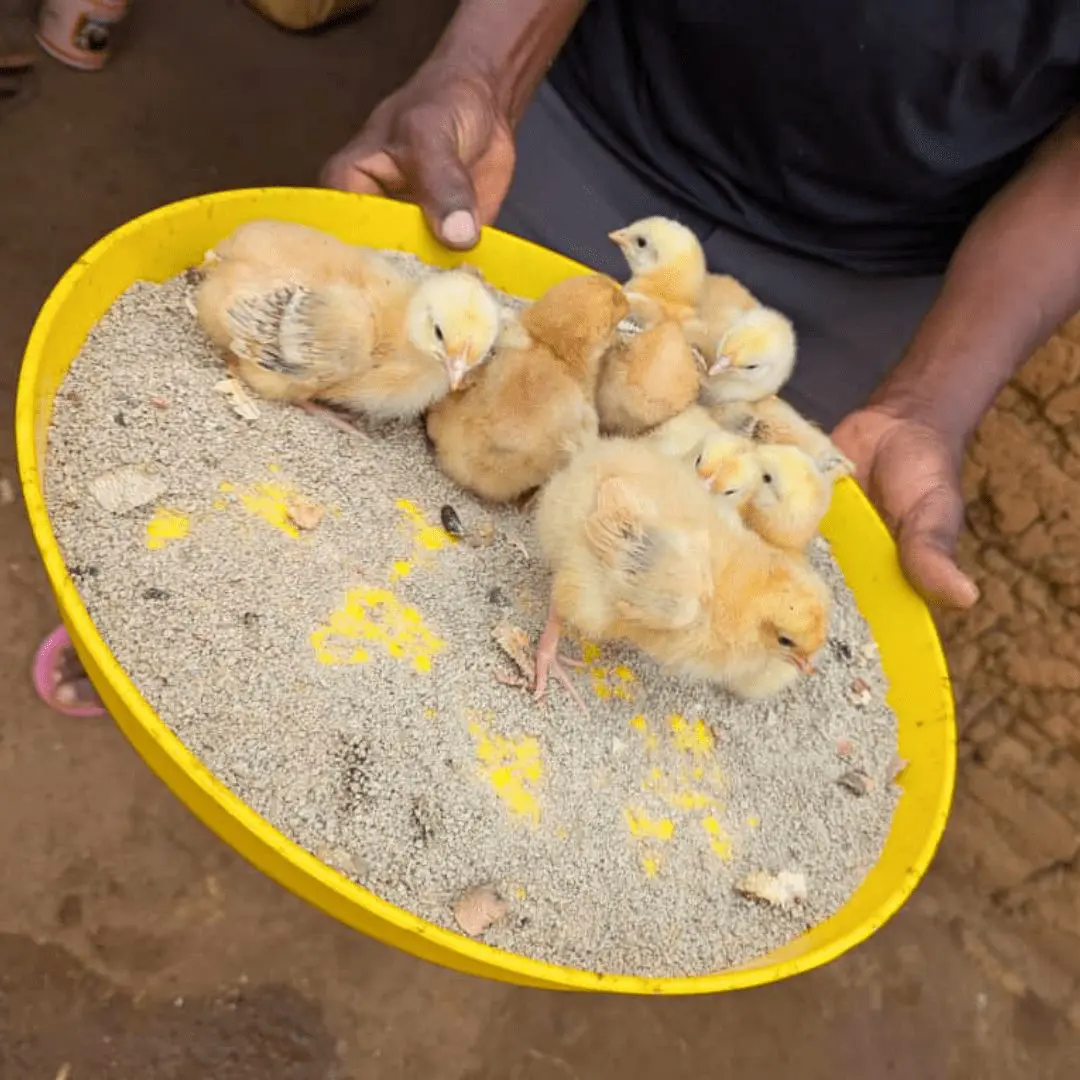
Vedaste joined Hope Mission Society’s poultry program with 4 hens and a rooster. By the time this campaign ran, he was directing the program and serving as the veterinary officer. That is not a marketing story. That is what actually happened — and that specificity is what made the campaign work.
Audiences responded to Vedaste’s story because it was verifiable, visual, and human. The campaign did not ask anyone to trust the organization. It showed them someone who already had, and what that looked like in practice. The result was large-scale reach at a cost per conversation that reflects genuine audience interest rather than forced engagement.
The Results
Paid campaign performance across Facebook and Instagram during the concentrated campaign window.
Want a campaign built around your story?
Book a Free CallWhat This Demonstrates
Paid campaigns perform efficiently when the creative does the heavy lifting. Strong audience targeting matters. Budget management matters. But neither of those produces a $0.06 cost per conversation on their own. The story has to connect first.
For nonprofits and faith-based organizations, the story is almost always already there. The question is whether the campaign is built to let it work. Vedaste’s story was specific, visual, and true — and that combination produced reach and response that far exceeded what a generalized campaign could have generated at the same spend level.
This is the kind of work I take on for nonprofits and faith-based organizations, where the story is already real and the task is making sure it reaches people. You can see more of it in my nonprofit marketing work.
Reach the right audience with clarity
Explore the processVedaste’s Story in Photos
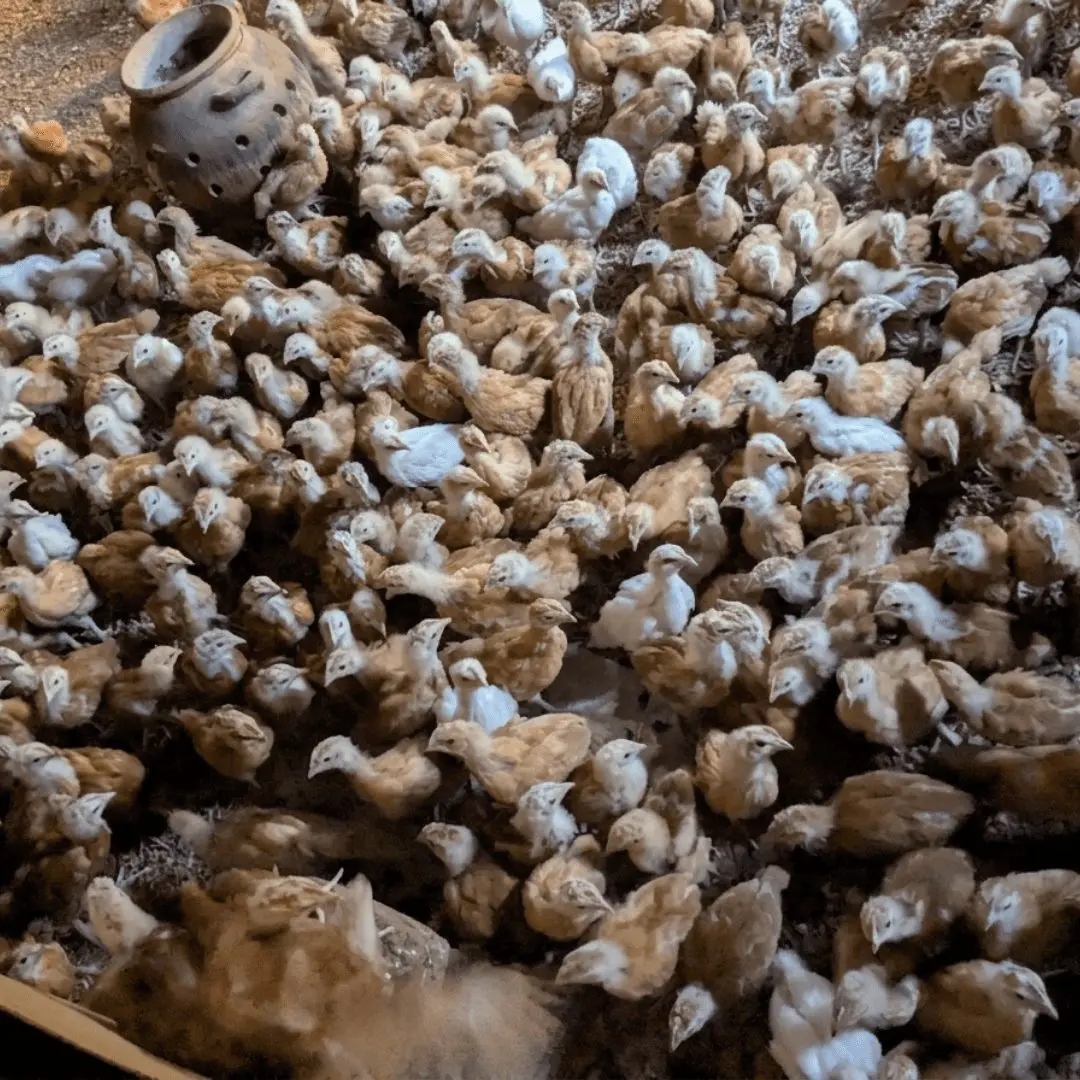
Photos captured by the HMS team in Rwanda. Authentic, specific, and real — Vedaste’s journey from 4 hens to 700 chickens gave the campaign something no generic nonprofit ad can produce: a story audiences could believe on sight. Click any image to view full size.


Vedaste’s Story as a Reel
The reel brought Vedaste’s story to life in under 60 seconds. Showing the chickens, the scale of the operation, and Vedaste himself made the transformation tangible in a way a static post could not. Short-form video gave the campaign a second entry point for audiences who engage through motion rather than images.
Agricultural training stories work on video because the outcomes are visible. You can see 700 chickens. You cannot describe them in a way that lands the same way.
You have something worth saying. Let’s make sure the right people hear it.
If your organization has a story that is not reaching the audience it deserves, that is where this work starts.
Book a Free Call